Posts in: reading-list

Worth reading - Why Trump's tariff war on Canada is bigger than Canada

Trump just hit Canada with an extra 50% tariff, and the detail that matters isn’t the number. It’s that these tariffs apply even to goods fully compliant with USMCA, the very trade deal Trump renegotiated and signed himself. The escape hatch that shielded most Canadian trade through 2025 just got welded shut. Justin Wolfers, the Australian-American economist behind Platypus Economics, walks through how the White House got there: a 1930 statute barely used since Herbert Hoover was president, deployed to justify a 50% duty on everything from wine to hockey sticks, tied to disputes that have nothing to do with the goods actually being taxed.

Continue reading →


Paul created songs that felt as if they had always existed

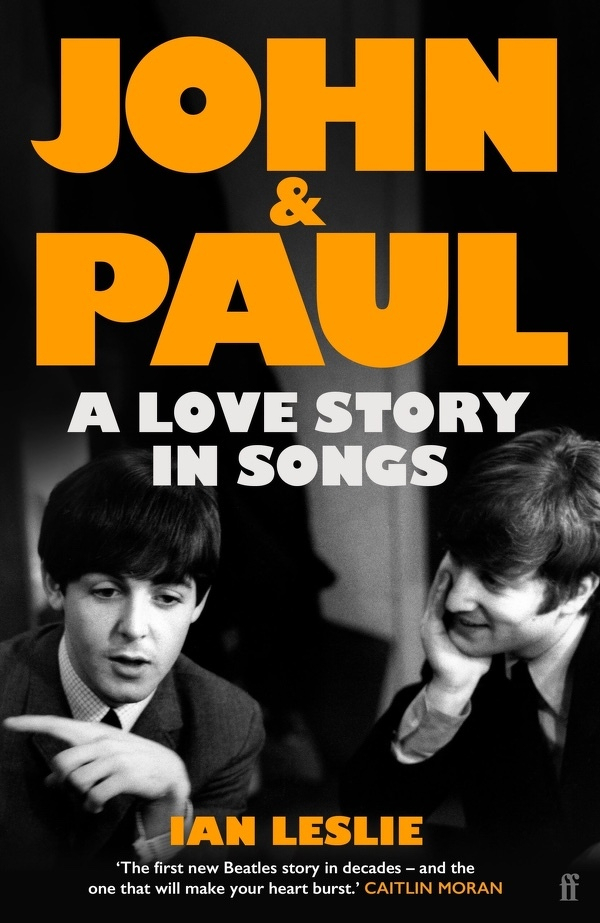
I just finished Ian Leslie’s “John & Paul: A Love Story in Songs” and one passage stopped me cold.

“No song is more McCartneyesque than ‘Penny Lane’, just as ‘Strawberry Fields Forever’ is indubitably Lennonesque. Paul created songs that felt as if they had always existed; John channelled transmissions from another planet. Paul’s melodies feel like the purpose of music itself; John strains at the limits of chords and keys, trying to get past music into pure feeling or experience.”

That’s the whole book in four sentences. And once you read it, you hear every Beatles song differently.

Continue reading →


Worth reading - Would Grok vote for Biden?

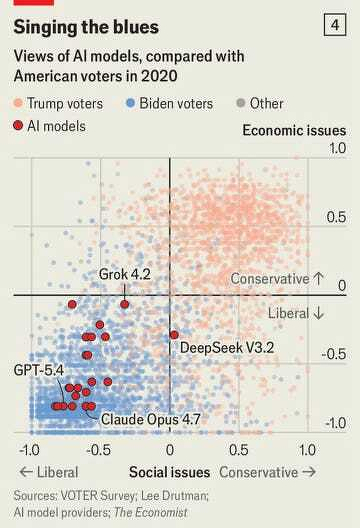
Elon Musk built Grok as the anti-woke alternative to ChatGPT and Gemini. According to a new analysis of AI political values, it would probably have voted for Biden.

The Economist put five major AI models through a global values survey normally reserved for humans. Every model, including Grok, landed left of centre on questions about wealth, merit and inequality.

Continue reading →


Worth reading — Dismantling the manosphere

Twenty-three minutes. That is how long it takes a social media account set up to look like a 16 to 18 year old boy to be shown misogynistic content, according to the audit Tanya Plibersek, Federal minister for social services, cites in this piece. Not sought out. Delivered.

Plibersek’s argument is blunt: young men are not choosing this content, they are being stalked by it. Everyday frustrations, rejection, loneliness, a bad week, get reframed by the algorithm as proof of a system rigged against men. Writing in The Saturday Paper, she traces how that reframing hardens into grievance, and how fast grievance gets monetised.

Continue reading →


Worth reading — Alan Turing's secret Delilah project

Alan Turing taught himself electronics from an RCA vacuum tube manual on a ship crossing the Atlantic in 1943. Within months he was in a Nissen hut in the English countryside, building a working voice encryption device that shrank a 50,000 kilogram Bell Labs room-filling machine down to three shoebox-sized units. Donald Bayley was a young electrical engineering graduate who arrived at Hanslope Park in 1944. He found Turing’s soldered circuits looking like a “spider’s nest” and promptly dragged him through breadboarding boot camp.

Continue reading →