Found by an algorithm, not a birdwatcher
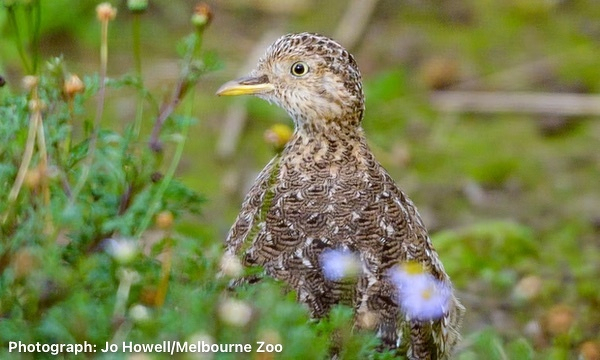
No one had seen a plains-wanderer west of Melbourne in thirty years. Thirty-five microphones did it in one season.
The plains-wanderer is critically endangered, standing about 15cm tall, roughly the size of a pencil, with wide yellow eyes that make it look like a cartoon bird. Fewer than 1,000 remain in the wild. It has no living relatives, genetically alone in its own family, which is part of why birdwatchers travel the world hoping to tick it off. It is also spectacularly good at not being seen: it crouches in grass tussocks and relies on camouflage, a habit that keeps it safe from foxes and safe from human eyes too.