Posts in: media

Fossil fuel lobbyists outspent renewables 179 to 1 last month

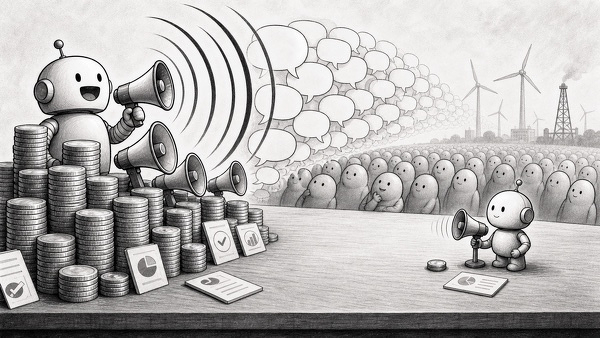
Clean energy still runs on the assumption that facts speak for themselves. Last month, fossil fuel groups spent 179 times more money betting that they do not.

The spending gap

RenewEconomy pulled the numbers straight from Meta’s ad library, and they are stark. In August, five fossil fuel organisations spent roughly $553,000 on political ads in Australia. The entire renewables industry spent $3,090. That is not a rounding error in a marketing budget. It is one side fully mobilised and the other side barely in the room.

Continue reading →


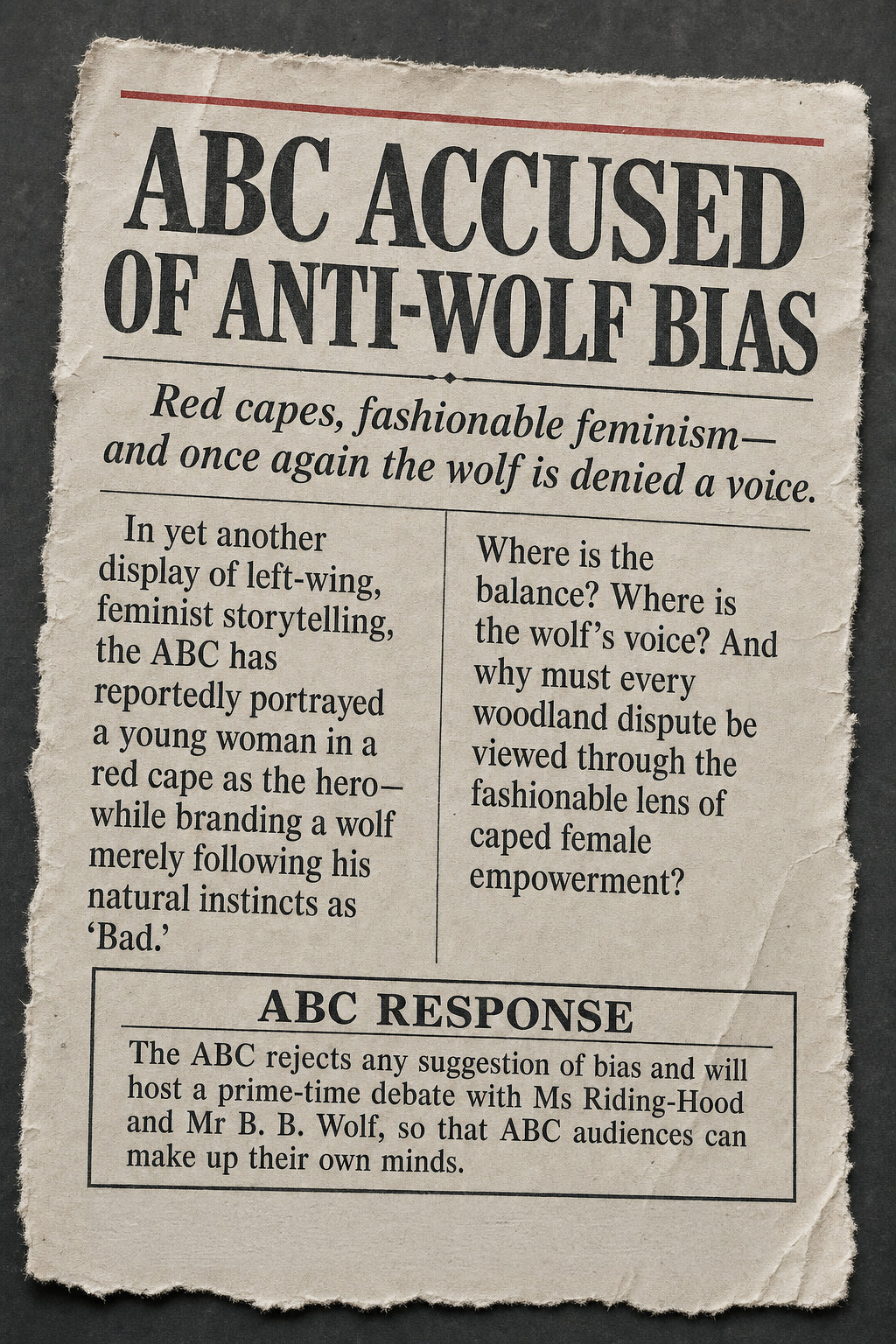
Our ABC often unfairly maligned

But also seems to be stuck with both sideism.

Old journalist line is, “If someone says it’s raining and another person says it’s dry, it’s not your job to quote them both. Your job is to look out the window and find out which is true.” - Hubert Mewhinney, Texas journalist 1974


Dave Hughes asked for a fact check. He got one

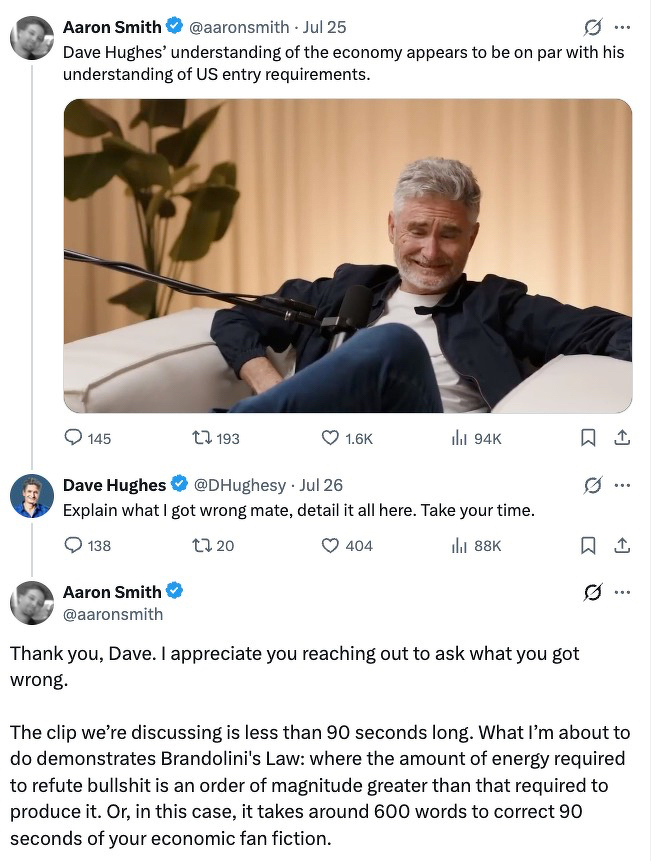
Dave Hughes went on a podcast, spent 90 seconds confidently rewriting Australia’s recent economic history, then dared someone to fact-check him. Someone did. It took about 600 words to correct 90 seconds of what the fact-checker called “economic fan fiction.”

Hughes is a television and radio personality and stand-up comedian. Lately he’s drifted into political and economic commentary, most of it aimed at the Federal Labor government’s tax policy changes. He’s understood to run a substantial investment portfolio of his own, like plenty of the policy’s other critics, largely exempt from the change thanks to grandfathering.

In the clip in question, Hughes slates previous governments, (always Labor), while dropping in “I might be wrong” and “I haven’t researched it” as he goes. Caveats are not the same as caution. If you haven’t researched something, the option not to broadcast an opinion on it remains open.

Continue reading →


94 worth-watching films leave SBS On Demand in July

Every month SBS publishes a wall of text listing what is about to vanish from On Demand. Every month it mixes Studio Ghibli classics in with season 7 of some cooking show and a documentary about sharks, all sorted by date, none sorted by whether they are any good.

As I did in previous months I leaned on Claude to build a searchable and sortable page to make it easier to figure out what I really want to watch. SBS really should do this for their audience.

I pulled the full July list, stripped out the series and the reality TV, ran every standalone film past its IMDB rating and kept the ones at 7.0 or above. That left 94 films. The result is a single sortable, searchable page you can filter by rating, genre or leaving date.

Continue reading →


Read the book Meta is trying to bury

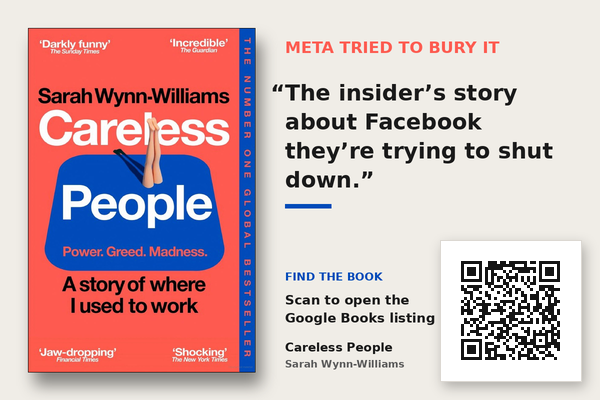
Careless People by Sarah Wynn-Williams beside the line 'The insider's story about Facebook they're trying to shut down', with a QR code to the book listing

Meta has a court order stopping Sarah Wynn-Williams from promoting her own book. She cannot talk about it, cannot criticise the company, cannot even sit near a bookshop that stocks it without risking a fine. So let me do the promoting for her.

The book is Careless People: A Cautionary Tale of Power, Greed, and Lost Idealism. Wynn-Williams spent six years as Facebook’s global director of public policy. Her memoir is a first-hand account of what the company is like from the inside, and it is not flattering: allegations of sexual harassment, of courting Beijing with censorship tools, of contempt for the very users whose teenagers it studied.

Continue reading →


Rage farming

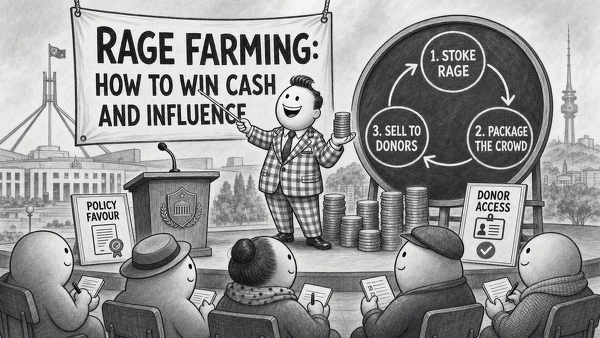
Rage is a product. Pauline Hanson has been selling it for thirty years, but she is no longer the only one running the operation. The buyers have got bigger, the money is flowing from further away, and the press is helping them do it.

Continue reading →


Read the deck

Benedict Evans just dropped the Spring 2026 edition of his annual AI presentation and it is, as usual, the clearest thinking on the subject you’ll find in a single sitting. The deck is 79 slides. It is not a TED talk. It does not tell you AI will save humanity or that the robots are coming for your job by Thursday. What it does is something rarer: it maps what we actually know, what we can reasonably infer and where the honest answer is still “we don’t know yet.

Continue reading →