A Melbourne high school teacher puts up a photo of the Milky Way in class. His students say, “Where’s that?” He says, “In the sky.” They say, “No, it isn’t.”
That exchange, from a beautifully crafted ABC News piece published today, is quietly devastating. Not because the kids are ignorant. Because they’re right about their own experience. In suburban Melbourne, the Milky Way functionally doesn’t exist. More than 2.8 billion people worldwide can no longer see it from where they live. A child born today who can see 250 stars will see just 100 by their eighteenth birthday.
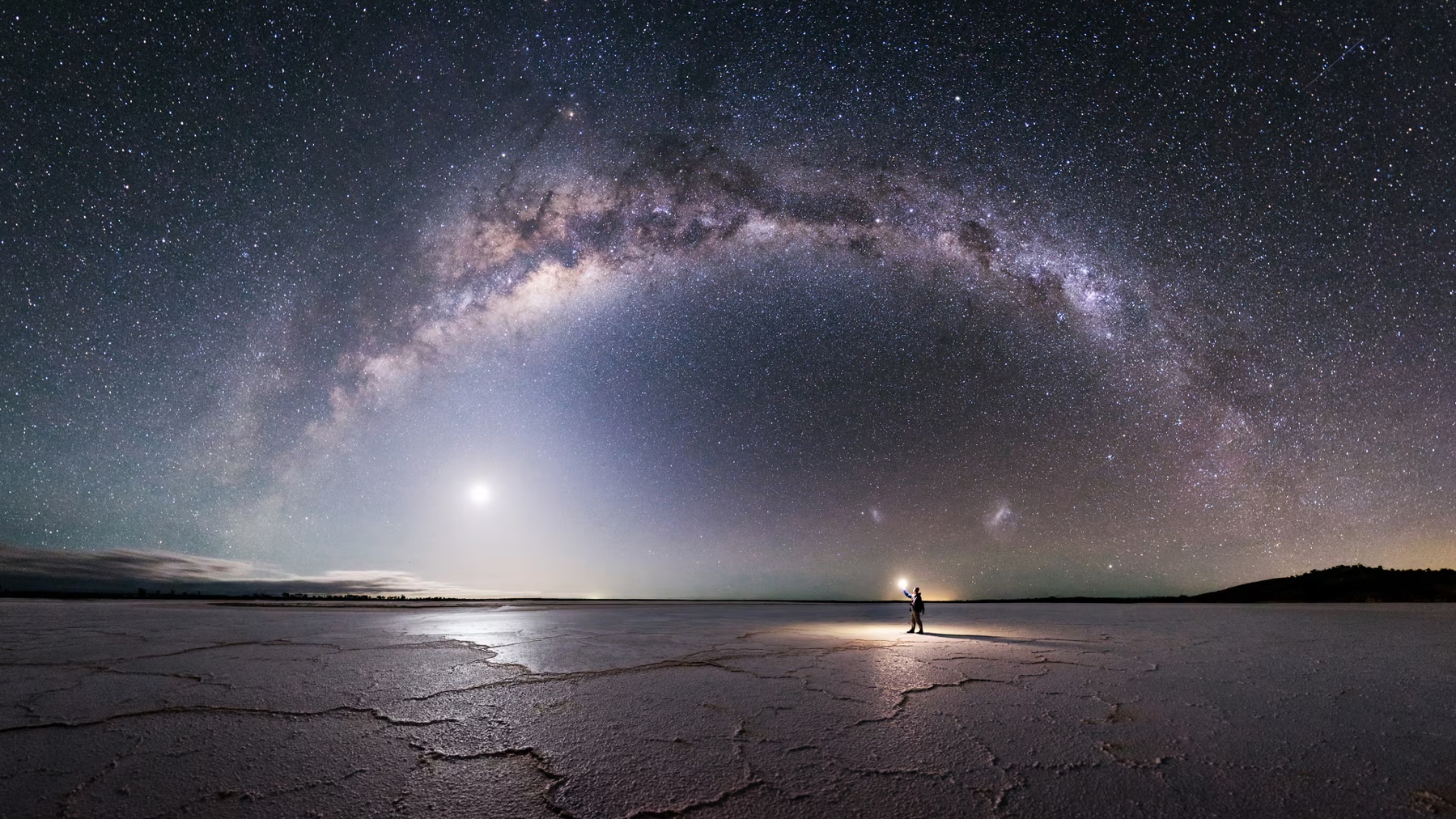
We didn’t decide to erase the night sky. It just happened. One streetlight, one neon sign, one expanding suburb at a time.
I won’t spoil the rest of the article. It weaves together stories from astronomers, First Nations elders, grieving families, navy navigators and clinical psychologists into something genuinely moving. It’s long-form ABC at its best, beautifully photographed in the Odyssey format, and it earns every minute of your attention.
What I will say is this: light pollution is one of the few environmental problems that is instantly reversible. Flip a switch and the stars come back. Every culture on Earth built meaning from those stars. Every human being who ever lived, until about a hundred years ago, had access to that same sky.
Read it. Then tonight, if it’s clear, step outside. The cosmos hasn’t gone anywhere. We just forgot to look.