Posts in: technology

Worth reading — Alan Turing's secret Delilah project

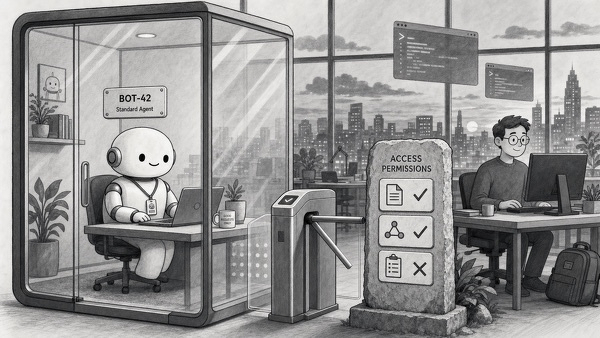
Alan Turing taught himself electronics from an RCA vacuum tube manual on a ship crossing the Atlantic in 1943. Within months he was in a Nissen hut in the English countryside, building a working voice encryption device that shrank a 50,000 kilogram Bell Labs room-filling machine down to three shoebox-sized units. Donald Bayley was a young electrical engineering graduate who arrived at Hanslope Park in 1944. He found Turing’s soldered circuits looking like a “spider’s nest” and promptly dragged him through breadboarding boot camp.

Continue reading →


The AI layoff wave is becoming a cover story

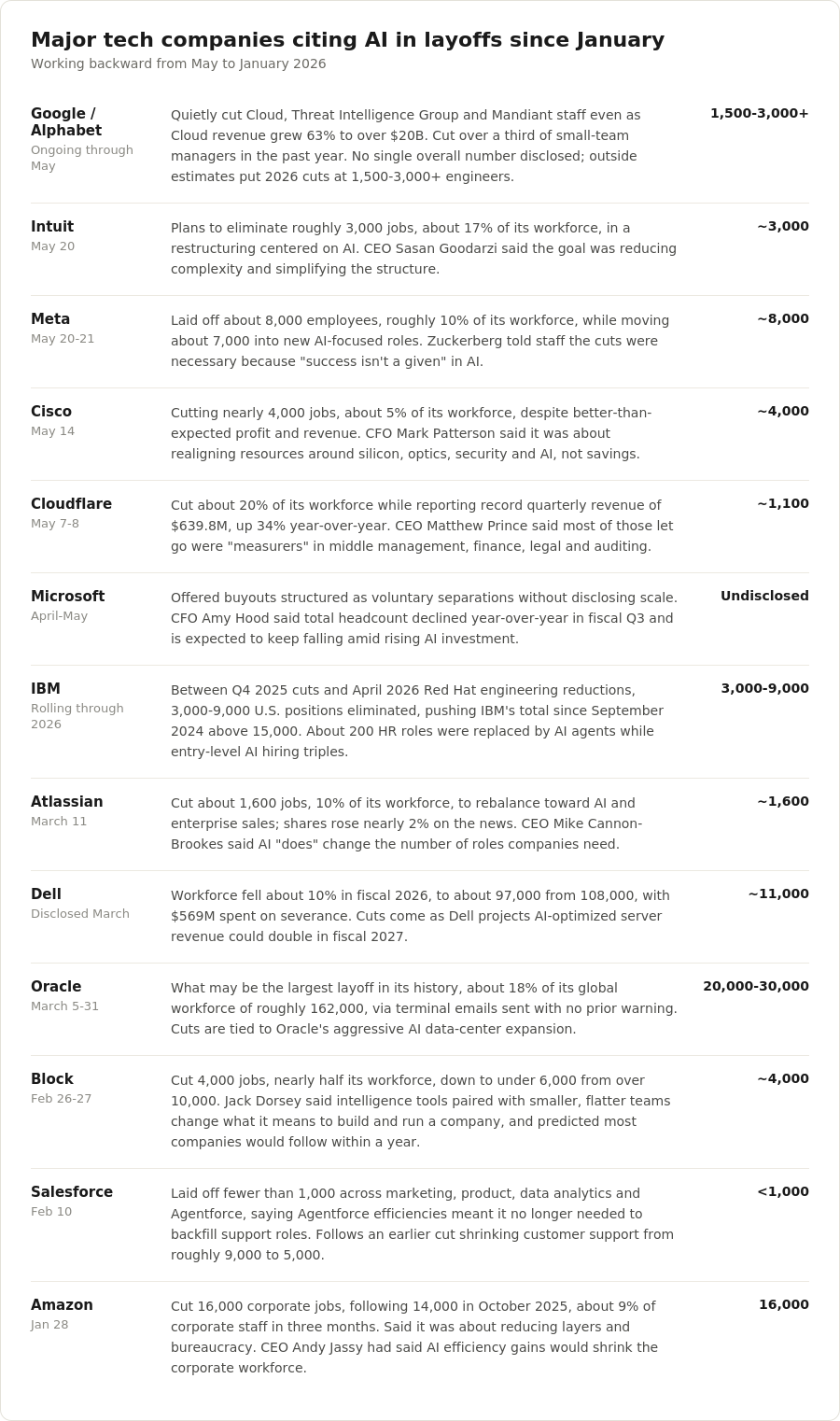
Tech companies are posting record profits while laying off tens of thousands of people and citing AI as the explanation. So far in 2026: 363 layoffs, nearly 150,000 people, 974 per day - 44% faster than last year, per TrueUp. May was the highest single month in two years. AI was the most cited layoff reason across every industry for the third month running.

Continue reading →


Apple didn't get gobbled by Google

Many are saying it. Google Gemini is inside Apple’s iPhone AI. Apple has been gobbled by Google. The companies' phones are barely distinguishable now. None of that is right. The confusion is understandable. Google uses the word “Gemini” to mean at least two different things: their consumer AI assistant app and their family of underlying AI models. When people hear that “Gemini is powering Siri AI,” they picture the Google Gemini app somehow inside an iPhone.

Continue reading →


The geopolitics of AI

Anthropic launched Fable 5 and Mythos 5 last week. By the weekend, the US government had ordered both suspended for every foreign national on earth.

No advance notice. No specific public explanation. Just a directive citing national security, and Anthropic - with no practical choice - complied. Access to other Claude models remained unaffected. The concern, widely reported, centres on Mythos 5’s ability to detect software vulnerabilities. In the right hands it’s a security tool. In the wrong hands it becomes a cyberweapon. The US government has apparently decided it cannot control whose hands are whose.

This is what AI geopolitics looks like up close.

Continue reading →


Apple puts you at the centre of AI

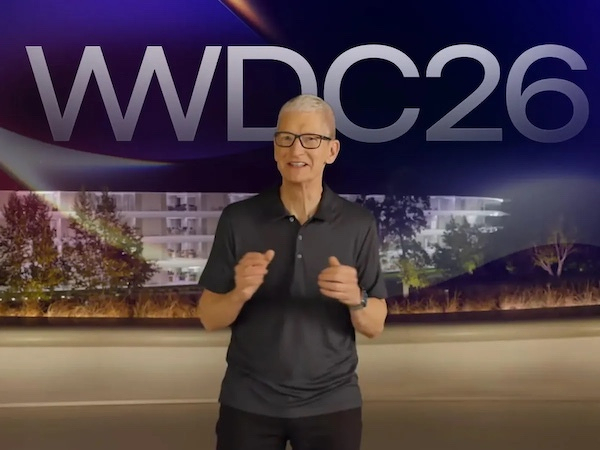
At WWDC 2026 this week, someone asked Siri to go through a folder of contractor quotes as PDFs, compare them, pick the best option and draft a reply email. Siri did it. Live, on stage, in front of an audience.
That’s not a kitchen timer. That’s not “Hey Siri, what’s the weather.” That’s the kind of task you’d currently hand to Claude or ChatGPT with careful prompting and a bit of luck. Apple just demonstrated it happening through a voice assistant most of us had written off.

It is worth understanding how they got there - because the architecture behind it is genuinely interesting, and a lot of it comes down to a clever solution to a very unglamorous problem: memory.

Continue reading →


Apple WWDC 2026

Apple didn’t announce anything revolutionary at WWDC. For a company of this maturity, that’s not a criticism - it’s a read of the room.
The focus was platform optimisation and extension: making what already exists faster, smarter and less visually exhausting. Yes, they’ve walked back some of the Liquid Glass overload. Good.

Continue reading →


Microsoft just made Windows the agent operating system

Microsoft’s annual developer conference, Build, kicked off at 3am Melbourne time on Wednesday. I didn’t stay up to watch - but I’ve absorbed the media releases and technical docs, and there’s a genuine shift happening here that’s worth unpacking.
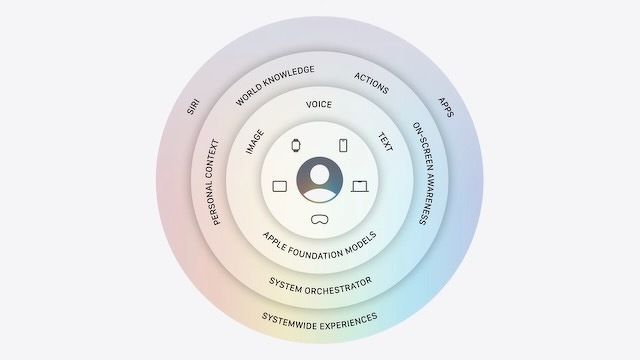
TL;DR for the non-technical: AI assistants are about to get much more capable, but that creates a trust problem - how do you let a smart assistant do things on your computer without giving it the keys to everything? Microsoft just announced that Windows itself will act as the security guard. It will control exactly what an AI assistant can see and touch on your machine, track what it does separately from what you do and run smaller AI models directly on your computer so your data doesn’t have to leave your desk. Think of it as giving your AI assistant its own office with its own keycard, instead of letting it wander freely through yours. The catch: it needs newer, more powerful hardware to work properly, and most of it isn’t shipping yet.

Now, the details.

Continue reading →


Ferrari Luce: the fear behind the face

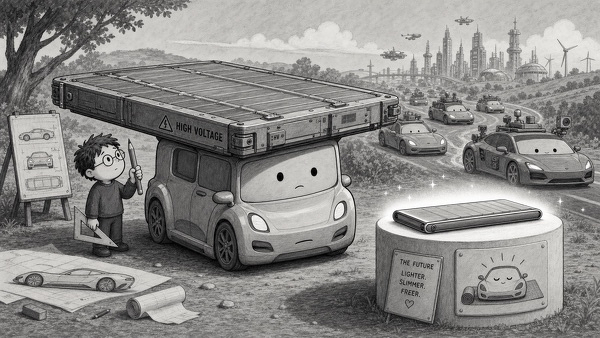
The Tifosi are furious, and they are aiming at the wrong target. The Ferrari Luce, Maranello’s first production electric car, was unveiled near Rome on 25 May to a wave of revulsion. “A Nissan Leaf with a prancing horse,” said the internet. Nissan, delighted, leaned in and thanked Ferrari for the compliment. The market was less amused. Ferrari shares fell more than eight per cent in Milan and over five per cent in New York the next morning. For a marque that has sold beauty for almost eighty years, that is a remarkable thing to do with a single reveal.
But the styling is not the story. The styling is a symptom.

Continue reading →


Every USB-C port looks the same too. Some are quietly slower

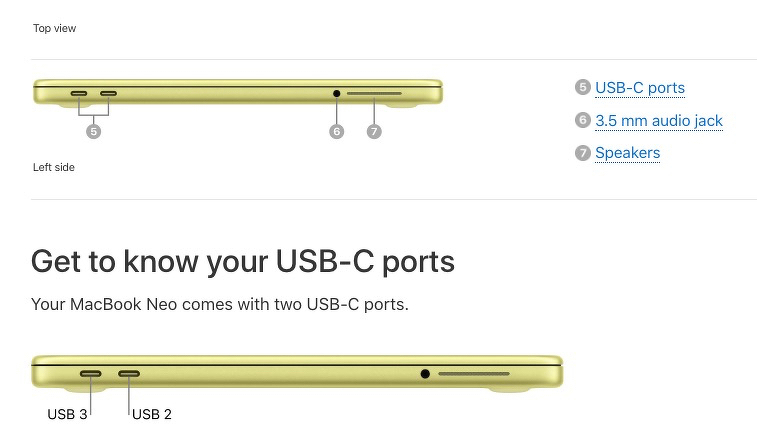
MacBook Neo port layout: the left USB-C port runs USB 3 and drives a display, the right port runs only USB 2

Last time it was the cables lying to you. You binned the mystery leads, bought the certified ones with the speed and watts printed on the side, labelled the survivors. Good. You fixed the drawer.

Now look at the laptop itself, because it is about to play the same trick on you. Two ports, same oval socket, same confident silver moulding. One is fast. One is not. And nothing on the outside tells you which is which.

Continue reading →