Posts in: ai

Four legs good, four wheels better

Unitree’s new As2-W bolts wheels straight into the feet of a walking robot, which is roughly what I argued for nine days ago.

“Four legs good, two legs bad,” Orwell wrote in Animal Farm. Unitree just proved the real fight was never legs versus wheels.

The As2-W is a quadruped that walks like a robot dog and rolls like nothing needs to walk at all. Each of its four legs ends in a 18 cm- wheel rather than a paw. On a footpath, it drives. At a kerb, a step or a loose gravel slope, the legs take over and it climbs. Unitree rates it for 80cm steps and 45° slopes, which covers most of the built environment a domestic or industrial robot will ever meet.


Continue reading →


Fable 5's free ride ends in stages

Extended four times, then it just… stopped.

That’s the shape of Claude Fable 5’s rollout since Anthropic first threw the model open to paying subscribers in early July. Free access was meant to run through July 12. It didn’t. Backlash over the early cutoff pushed that out to July 19. Then, on July 18, Anthropic announced the real end date: July 20, when Fable 5 stops being a bonus and becomes a plan feature.

Continue reading →


Kimi K3 and the price of catching up

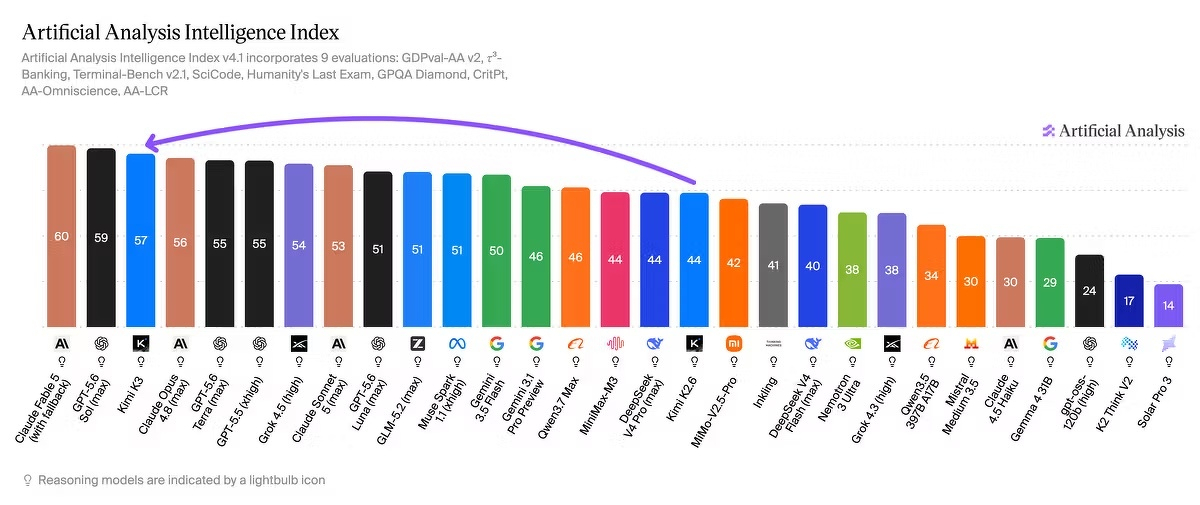
Moonshot AI’s new flagship undercuts Claude Opus 4.8 on price and edges past it on the industry’s leading benchmark. The catch is that it isn’t actually open yet, and won’t be runnable by anyone outside a data centre when it is.

Six labs now field a model scoring above 50 on the Artificial Analysis Intelligence Index. Two months ago it was two. Grok 4.5, GPT-5.6, Muse Spark 1.1 and now Kimi K3 all launched within eight days of each other. The newest entrant landed this week, it’s Chinese, and it undercuts Claude on price.

Continue reading →


Give AI wheels

Beni’s all-terrain camera robot and OpenAI’s rumoured portable AI speaker point toward the same wonderfully obvious idea: a companion that follows you.

There is a very particular kind of future gadget that, once you see it, makes everything else look strangely stationary.

Continue reading →


Token blending: why your next AI agent will use more than one brain

Nobody wants to be a model selector.

Most people do not want to decide whether a task deserves Fable, Sol, Opus, Sonnet or Haiku. They want the job done properly, quickly and without the invoice arriving as a small technical mystery.

That is where Token Blending comes in.

The idea is straightforward. Start an agentic task with the biggest, smartest and most expensive model. Let it understand the problem, make the difficult calls and create the plan. Then hand the defined work to a cheaper, faster model to execute.

Continue reading →


Token inflation: why I'm sticking with Claude 4.6

The same code file now costs 30% more to process than it did three months ago. The price per token didn’t change. The tokenizer did.

Anthropic’s post-4.6 models - Sonnet 5, Opus 4.8, Fable 5 - use a new tokenizer that cuts text into more pieces than the 4.6 generation did, and you pay per piece. A detailed analysis by Playcode, who measured every frontier tokenizer on identical files, found the new Anthropic tokenizer produces 1.36 to 1.73 times GPT’s token count on the same content. TypeScript is the worst case at 1.73x.

Continue reading →


Eloquent and the end of the dictation subscription

To prepare minutes I recorded a not-for-profit board meeting this week - ninety minutes, soft audio, everything sensitive - and let Google’s new Eloquent convert it locally. Nothing touched a cloud server. Eleven thousand words, on-device, done.

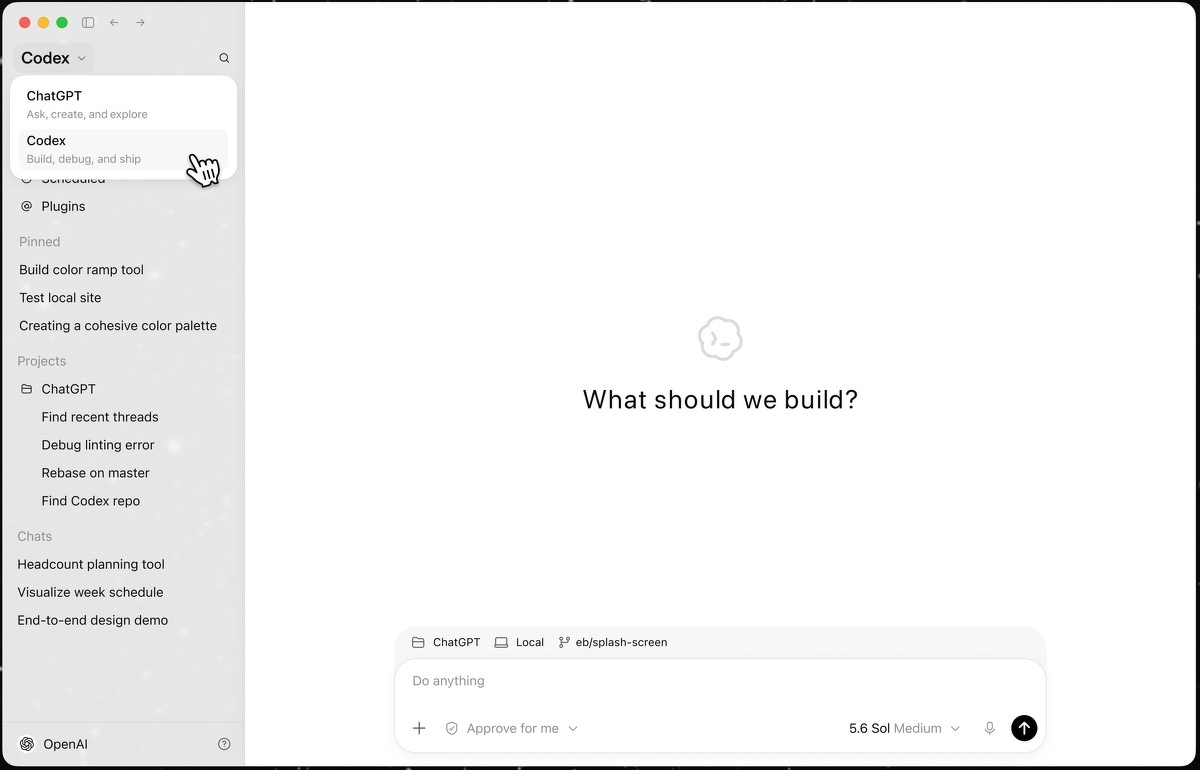
The original Voice Memos recording on my iPhone was quite soft. Board meetings are what they are. But Eloquent handled it better than I expected - the transcript came back clean, the filler words and false starts were stripped out, and I had a working draft of the minutes within a short time. Further refinement with GPT-5.5 and the final document was done. (Yes I am flirting with other models. Anthropic token inflation is becoming an issue - a topic for another day).

Continue reading →


Why Claude still ships as an Electron app

Claude Code can write native Swift good enough to ship a Mac App Store app. Anthropic’s own Claude desktop app is still built using Electron - a web browser (Chromium) wearing a costume.

Electron bundles a full Chromium browser and a Node.js runtime inside every app, so one codebase renders on Windows, macOS and Linux instead of three native builds. It’s why Slack, Discord and (until recently) Notion feel identical everywhere. It’s also why they’re memory-hungry, slow to open and never quite right: patchy keyboard shortcuts, no proper native menu behaviour, battery life your MacBook resents.

Continue reading →