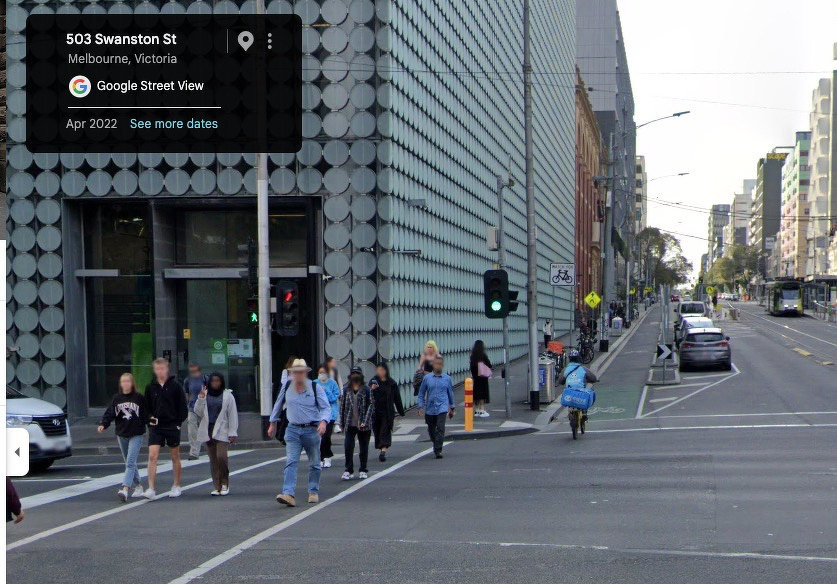
Smart glasses manufacturers are about to learn the lesson Google learned with Street View: you can document the world, or you can document people. Doing both without consent has consequences.
The EU is now actively considering restrictions on smart glasses, with Germany’s data protection authority warning they could already be illegal under existing laws prohibiting hidden recording devices. France and the Netherlands have raised similar alarms. In the US, New York courts have banned them outright, DEF CON barred Meta Ray-Bans from its conference floor, and the Air Force prohibits them in uniform.
The specific fear is simple: someone near you is wearing glasses that are recording you. You have no idea. There’s no indicator light you’d notice in normal social interaction, no sound, no cue. You are being filmed without your knowledge or permission.
That’s a genuine problem. And it’s going to kill a technology that has real value - unless manufacturers make a different choice.
The value doesn’t require recording people
Here’s what smart glasses are actually useful for: reading a menu in a foreign language and having it translated in real time. Identifying a bird in a tree. Getting turn-by-turn directions overlaid on the street in front of you. Getting a recipe stepped out while you cook. Analysing a piece of machinery you’re working on.
None of these applications require recording another human being.
The processing power is already there. The AI is already capable. A smart glasses platform could absolutely distinguish between “objects and environment” and “human beings” and apply different rules to each. Objects get analysed. Humans get ghosted.
Google worked this out with Street View. They didn’t abandon the project when privacy concerns arose - they blurred faces and licence plates by default. Street View still delivers enormous value. Nobody’s trying to ban it. The blur became unremarkable, expected and trusted.
Smart glasses could take the same approach. People appear blurred or ghosted in the video feed by default. The AI analyses the environment - the signs, objects, food, architecture, machinery - and delivers the AR experience without any human subject ever being captured. The glasses become a tool for engaging with the world around you, not a covert recording device pointed at everyone in it.
A consent mechanism for when recording matters
There are obviously cases where you want to record a person. A meaningful conversation you want to revisit. A moment with family. A presentation you’re attending.
This is solvable. Implement a consent mechanism: the wearer speaks a specific catchphrase, the subject receives a prompt on their own device to grant real-time permission. The consent is logged. The blur lifts for that recording. Both parties have a record of the transaction.
It’s not that different from the way apps request microphone or camera access. “This person wants to record a video that includes you. Allow or deny.” Done.
The obvious complication is minors. Under-18s can’t consent to being recorded without parental permission, and no real-time mechanism handles that cleanly. That’s a genuine edge case needing a legislative answer rather than a purely technical one - probably something modelled on existing rules around filming children in public settings. It’s solvable, but hardware alone won’t solve it.
The business case for privacy by default
Here’s what the smart glasses industry is missing: privacy-by-default is not a concession. It’s the product.
Right now, smart glasses face a growing regulatory headwind that will eventually make them unwearable in large parts of the world. A manufacturer that ships a device where humans are ghosted by default can walk into any regulatory conversation and say “our glasses don’t record people.” That changes things entirely.
It also changes the social conversation. The backlash against Meta Ray-Bans isn’t about the AI features. It’s about the covert recording anxiety. Remove that anxiety and you remove the backlash. People will wear them in restaurants, on public transport, at conferences - all the places they’re currently banned or side-eyed.
The technology is genuinely useful. Ghosting people by default is how you protect it long enough for people to find that out.
Sources: