Posts in: ai

Apple puts you at the centre of AI
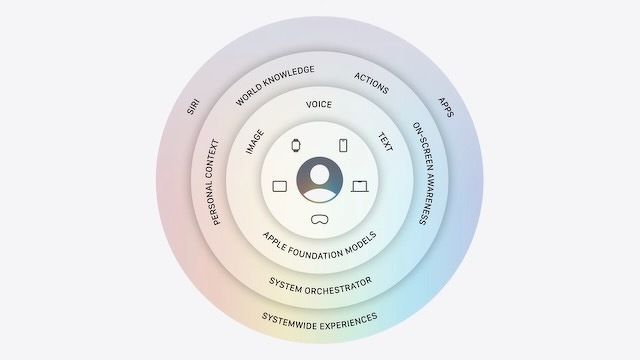
At WWDC 2026 this week, someone asked Siri to go through a folder of contractor quotes as PDFs, compare them, pick the best option and draft a reply email. Siri did it. Live, on stage, in front of an audience.

That’s not a kitchen timer. That’s not “Hey Siri, what’s the weather.” That’s the kind of task you’d currently hand to Claude or ChatGPT with careful prompting and a bit of luck. Apple just demonstrated it happening through a voice assistant most of us had written off.

It is worth understanding how they got there - because the architecture behind it is genuinely interesting, and a lot of it comes down to a clever solution to a very unglamorous problem: memory.

Continue reading →


Apple WWDC 2026

Apple didn’t announce anything revolutionary at WWDC. For a company of this maturity, that’s not a criticism - it’s a read of the room.
The focus was platform optimisation and extension: making what already exists faster, smarter and less visually exhausting. Yes, they’ve walked back some of the Liquid Glass overload. Good.

Continue reading →


Microsoft just made Windows the agent operating system

Microsoft’s annual developer conference, Build, kicked off at 3am Melbourne time on Wednesday. I didn’t stay up to watch - but I’ve absorbed the media releases and technical docs, and there’s a genuine shift happening here that’s worth unpacking.
TL;DR for the non-technical: AI assistants are about to get much more capable, but that creates a trust problem - how do you let a smart assistant do things on your computer without giving it the keys to everything? Microsoft just announced that Windows itself will act as the security guard. It will control exactly what an AI assistant can see and touch on your machine, track what it does separately from what you do and run smaller AI models directly on your computer so your data doesn’t have to leave your desk. Think of it as giving your AI assistant its own office with its own keycard, instead of letting it wander freely through yours. The catch: it needs newer, more powerful hardware to work properly, and most of it isn’t shipping yet.

Now, the details.

Continue reading →


Plain English is the new formula

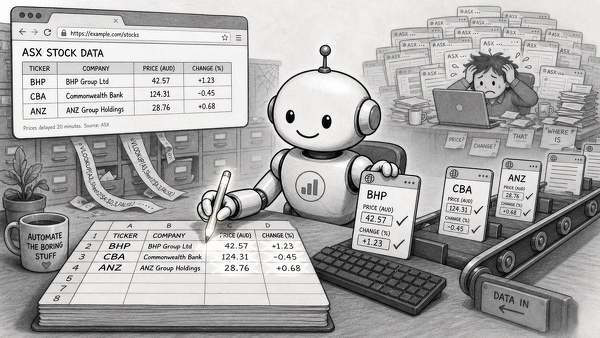
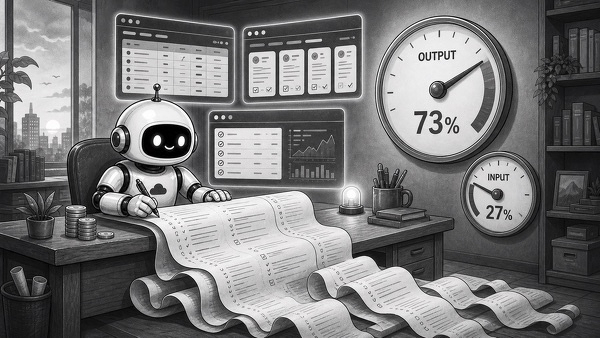
Auto-generated description: A robot is efficiently managing stock data with an overwhelmed human in the background surrounded by paperwork.

The work I’ve been doing between Claude Cowork and Excel lately has been considerably more involved than what follows. But this example makes the pattern clear - and it captures exactly why the combination saves so much time and frustration.

I had a list of 20 ASX stocks in an Excel file. Two columns: ticker code and company name. I wanted two more: market cap and 12-month return, pulled from most recent data.

Continue reading →


What a Singapore minister's AI setup can teach you

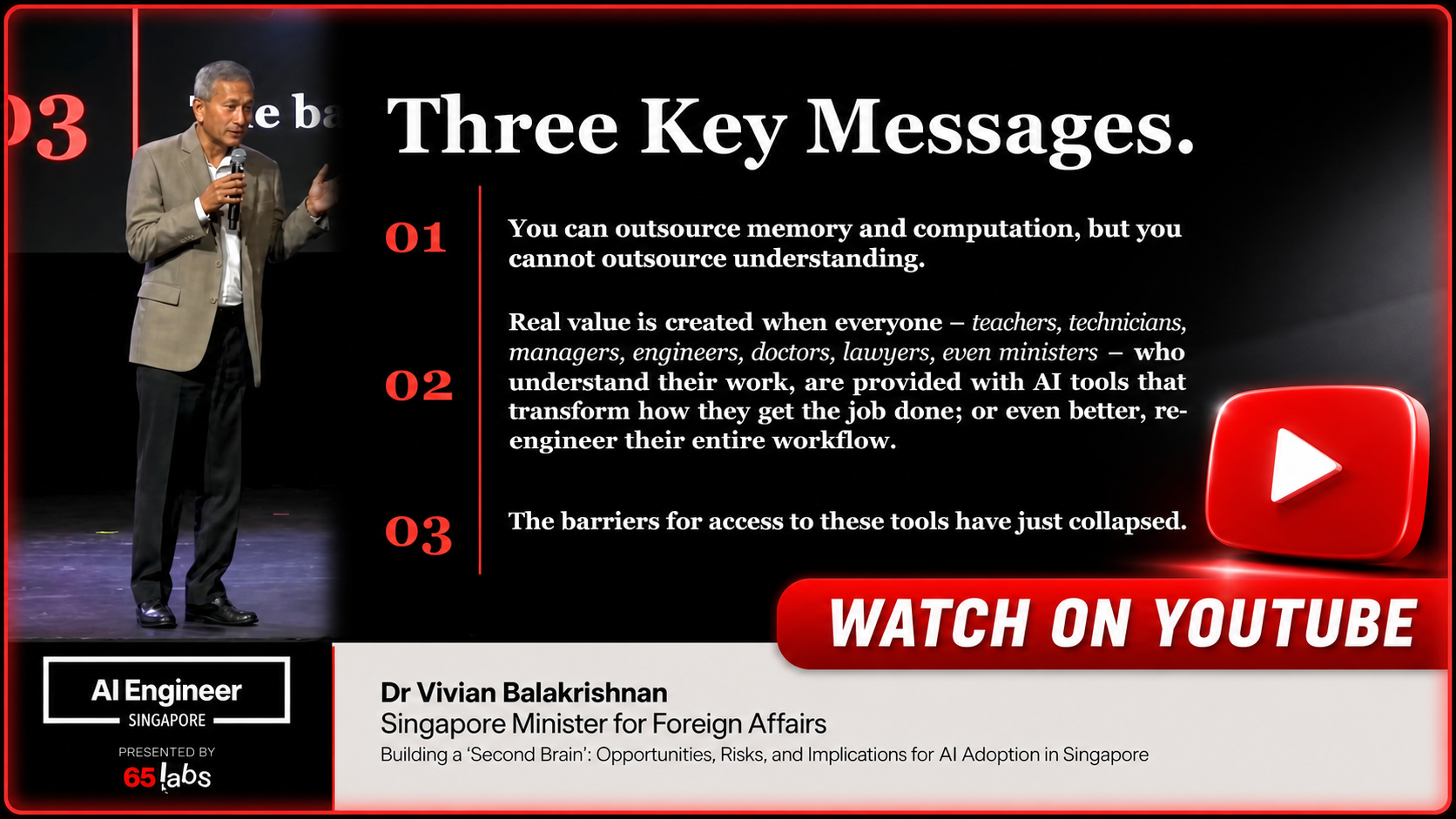
Singapore’s Foreign Minister assembled a personal AI agent on a Raspberry Pi 5 with 8GB of RAM. He hasn’t dared switch it off in three months. He is not an engineer.

That’s the story. But the interesting part is what he learned building it - and why he built it at all.

Dr Vivian Balakrishnan gave a 22-minute talk at AI Engineer Singapore on 16 May. He described himself as a practitioner with a day job - “a retired eye surgeon who took a detour into politics, perhaps for too long.” The talk is worth watching in full. His framing of what AI agents are actually useful for cuts through more noise than most conference keynotes manage.

Continue reading →


What running AI agents actually costs

I wanted to know if my AI subscription was earning its keep. So I repriced 30 days of real usage at pay-per-token rates and compared it to what I actually pay.

The answer: $96 USD equivalent in tokens consumed. My subscription costs $100 USD a month. That’s not a rounding error - that’s a subscription running at near-full utilisation.

Not a prototype. Not a weekend experiment. A system I actually depend on - morning briefings, task management, research, document work, health tracking, portfolio analysis. The Autonomi, as I call it, runs continuously and does real work.

Continue reading →


Read the deck

Benedict Evans just dropped the Spring 2026 edition of his annual AI presentation and it is, as usual, the clearest thinking on the subject you’ll find in a single sitting. The deck is 79 slides. It is not a TED talk. It does not tell you AI will save humanity or that the robots are coming for your job by Thursday. What it does is something rarer: it maps what we actually know, what we can reasonably infer and where the honest answer is still “we don’t know yet.

Continue reading →


The pathfinder finds the cliffs

Another week, another claimed breakthrough - this one called OpenHuman.

It lives in an avatar, has a voice and can join your Google Meet as an equal - “joins meetings, transcribes them into your Memory Tree, and can speak back into the call.” The pitch is that it is “an open-source AI assistant designed to be the memory and doer for everything you do across your tools.”

It ticks a lot of boxes. It promises all the right things. It is very tempting.

Continue reading →


Shopify's River — the agent you can only use in public

Tobi Lutke shares how Shopify built an AI agent called River that helps employees work and learn together — publicly, on Slack. The detail that matters: River isn’t private. Employees can only use it in the open, which means every query, every answer, every correction plays out where colleagues can watch. What looks like a productivity tool is actually a cultural one. The agent becomes a teaching workshop — ambient, always on, free to observe.

Continue reading →