The geopolitics of AI

Anthropic launched Fable 5 and Mythos 5 last week. By the weekend, the US government had ordered both suspended for every foreign national on earth.
No advance notice. No specific public explanation. Just a directive citing national security, and Anthropic - with no practical choice - complied. Access to other Claude models remained unaffected. The concern, widely reported, centres on Mythos 5’s ability to detect software vulnerabilities. In the right hands it’s a security tool. In the wrong hands it becomes a cyberweapon. The US government has apparently decided it cannot control whose hands are whose.
This is what AI geopolitics looks like up close.
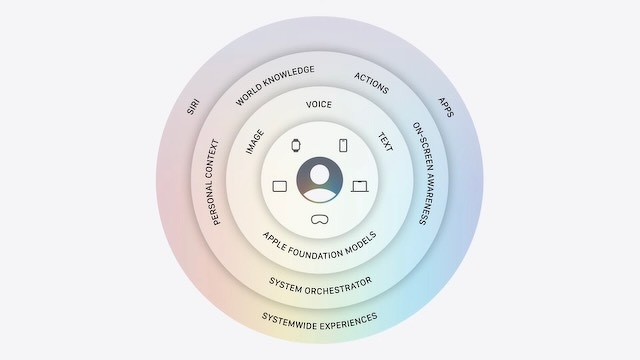 At WWDC 2026 this week, someone asked Siri to go through a folder of contractor quotes as PDFs, compare them, pick the best option and draft a reply email. Siri did it. Live, on stage, in front of an audience.
 Apple didn’t announce anything revolutionary at WWDC. For a company of this maturity, that’s not a criticism - it’s a read of the room.
 Twelve months ago the most capable model you could rent was Claude Opus 4, at $15 in and $75 out per million tokens. Today the flagship Opus costs a third of that: $5 in, $25 out. So the price of frontier AI collapsed over the year, right?
 Microsoft’s annual developer conference, Build, kicked off at 3am Melbourne time on Wednesday. I didn’t stay up to watch - but I’ve absorbed the media releases and technical docs, and there’s a genuine shift happening here that’s worth unpacking.
 The Tifosi are furious, and they are aiming at the wrong target. The
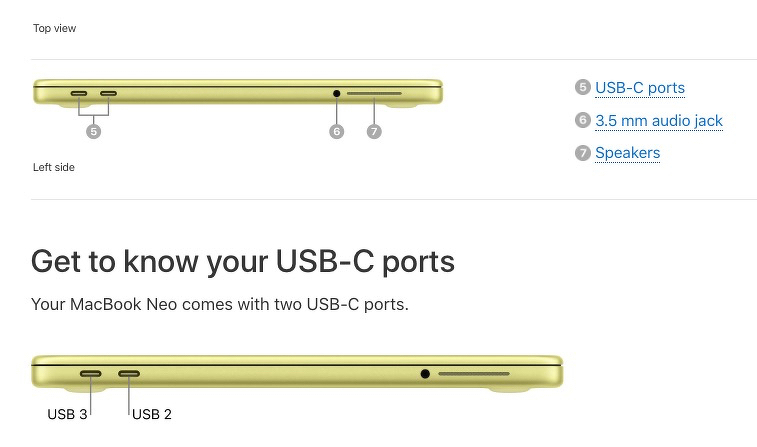
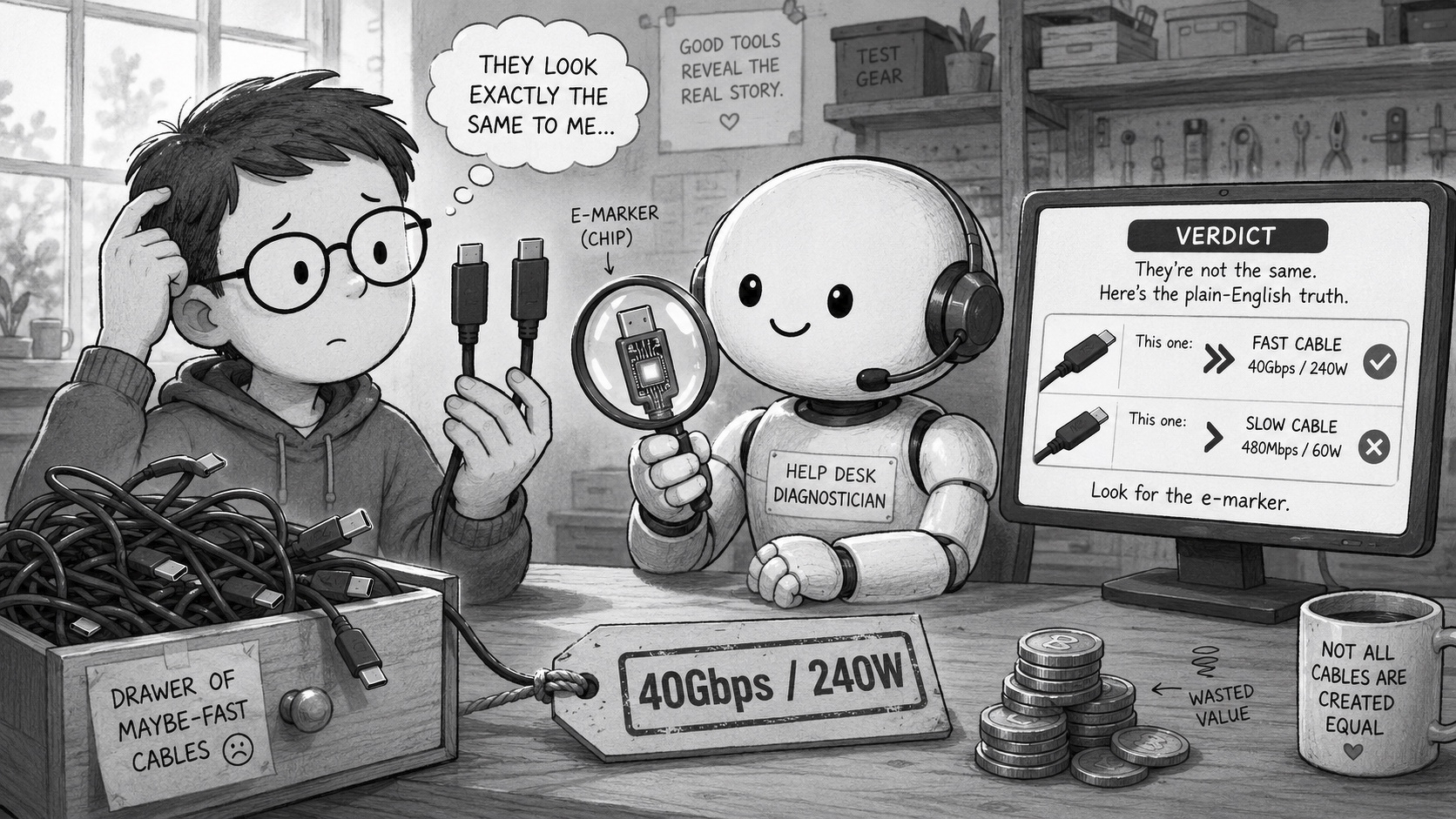 Open the drawer where you keep your cables. Go on. Somewhere in that tangle are two USB-C cables that look identical, came in similar boxes and feel the same in your hand. One will charge your laptop at full speed and drive a 4K monitor. The other can barely run a mouse.